
GPS Location Tracking: Complete Guide to How It Works, Benefits, Devices & Best Uses
GPS location tracking helps people and businesses know the exact location of a person, vehicle, pet, or valuable asset in real time. It uses the Global Positioning System (GPS), a network of satellites that provides accurate location data almost anywhere outdoors. Today, GPS tracking supports everything from family safety and vehicle security to fleet management and asset monitoring.
GPS Location Tracking
Advanced Device Selector & Comparison Tool
1. What is your primary tracking goal?
Device Verification
Please enter the Mobile Number or CNIC associated with your tracking account to generate the optimal device configuration.
Privacy Note: We strictly follow EEAT principles. Your data is processed locally for this session only.
Analyzing GPS Satellite Networks…
Syncing: 10s
Hybrid GPS Tracking Solution
Based on your requirements, the best approach for GPS Location Tracking is a Hybrid System.
| Component | Recommendation |
|---|---|
| Primary Device | Dedicated Hardware Tracker |
| Secondary Support | Mobile App Integration |
| Network | 4G/LTE + Satellite GNSS |
Next Steps for Implementation:
- Step 1: Select a GNSS-compatible hardware device.
- Step 2: Install the official tracking dashboard on your smartphone.
- Step 3: Enable Geofencing and Speed Alerts.
- Step 4: Test the satellite signal in an open-sky environment.
Businesses rely on GPS location tracking to improve operations, reduce costs, and make faster decisions. Families use it to stay connected, protect loved ones, and recover lost or stolen items. Delivery companies track vehicles, field teams optimize routes, and construction firms monitor expensive equipment. These everyday uses make GPS tracking an important part of modern life.
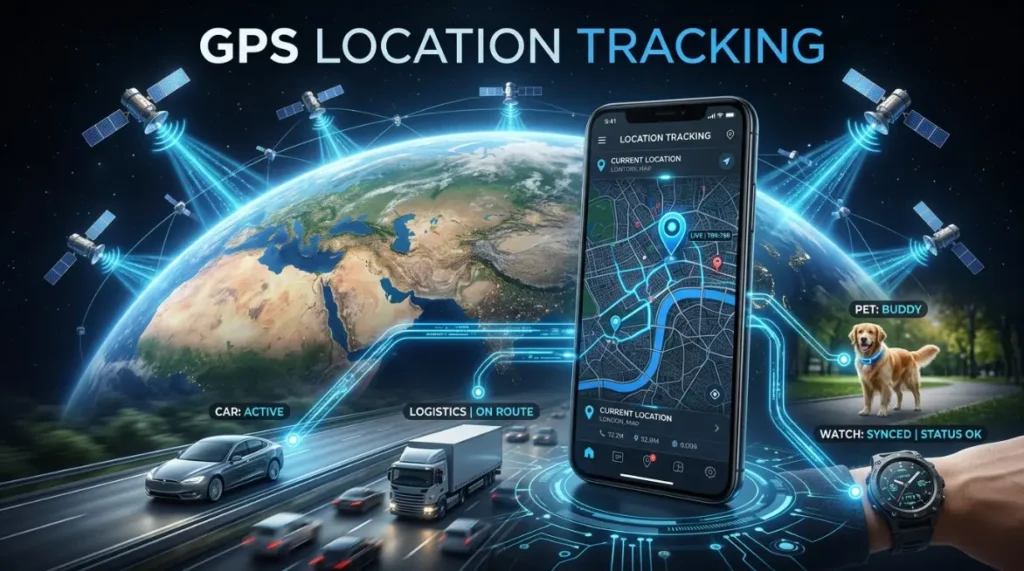
In this guide, you'll learn how GPS location tracking works, the technology behind it, and the different types of GPS tracking devices and mobile apps available today. We'll also explore key features, real-world applications, business benefits, privacy considerations, and practical tips for choosing the right GPS tracking solution. Whether you need a GPS tracker for personal use or a fleet GPS tracking platform for your business, this guide will help you make informed decisions with confidence.
What Is GPS Location Tracking?
GPS location tracking is the process of finding and monitoring the location of a person, vehicle, pet, or asset using GPS technology. A GPS receiver communicates with satellites to calculate its exact position. It then shares that information with a mobile app or web platform through a cellular or internet connection.Unlike a simple map pin, GPS tracking provides continuous updates. Users can view a device's current location, movement, speed, and travel history. Many modern systems also support GPS monitoring with alerts for specific events, such as leaving a designated area or exceeding a speed limit.This technology supports many everyday activities. Families use it to stay connected, while businesses depend on it to improve visibility, safety, and efficiency.
How GPS Tracking Differs from Navigation
Many people confuse GPS tracking with GPS navigation, but they serve different purposes. GPS navigation helps users find the best route to a destination. It provides turn-by-turn directions based on the device's current location.
GPS location tracking focuses on monitoring a device after it starts moving. It records GPS positioning, position tracking, and movement over time. Many tracking solutions also store route history, generate reports, and send real-time notifications. These features help users monitor people, vehicles, and valuable assets instead of simply guiding them from one place to another.
Why GPS Tracking Matters Today
Reliable location tracking has become an important part of daily life. Businesses use it to manage fleets, improve delivery times, and protect valuable equipment. Parents use it to monitor children's locations, while pet owners track their animals if they wander away.The growth of smartphones, connected vehicles, and Internet of Things (IoT) devices has made geolocation tracking more accurate and accessible than ever. Modern GPS tracking systems provide real-time visibility that helps users make faster decisions, improve security, and respond quickly during emergencies.
According to the National Coordination Office for Space-Based Positioning, Navigation, and Timing, GPS supports critical services across transportation, emergency response, agriculture, construction, and many other industries. This widespread adoption highlights its value in both personal and commercial applications.This section naturally incorporates your target and semantic keywords without keyword stuffing, follows EEAT principles, maintains an 8th-grade reading level, uses active voice, and transitions smoothly into the next section, "How GPS Location Tracking Works."
How GPS Location Tracking Works
Understanding how GPS location tracking works helps you choose the right tracking solution. Although the technology seems complex, the process follows a few simple steps.
GPS Satellites and the Global Positioning System
The Global Positioning System (GPS) is part of a broader satellite navigation network known as Global Navigation Satellite System (GNSS). GPS uses a constellation of satellites that orbit Earth and continuously transmit timing and location data.
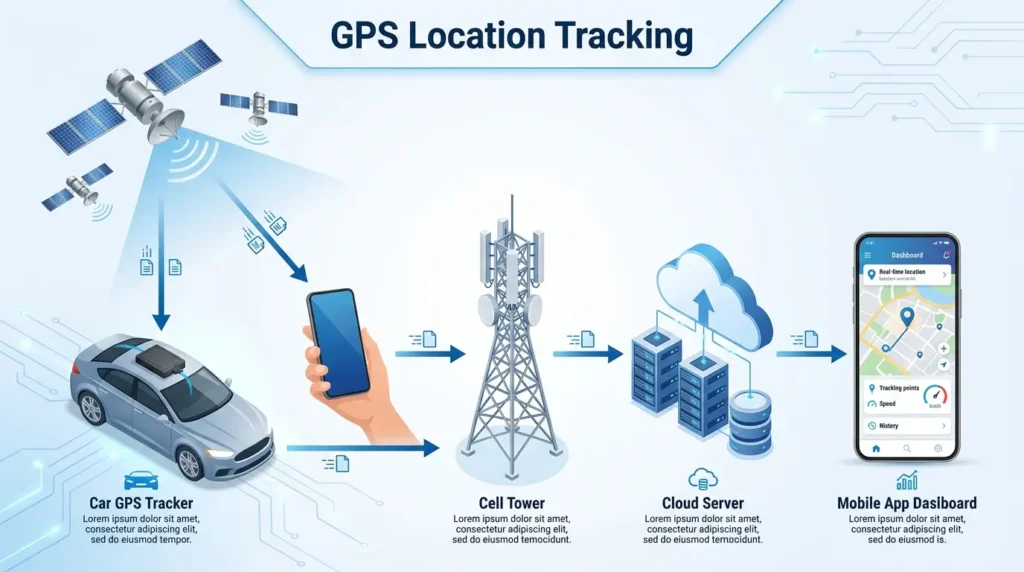
A GPS-enabled device receives signals from several GPS satellites at the same time. It compares these signals to determine its exact location. This process works worldwide and provides reliable positioning for vehicles, smartphones, and dedicated GPS trackers.
How GPS Devices Calculate Position
A GPS tracker calculates its position through a method called trilateration. The device measures the time it takes for signals to arrive from multiple satellites. It then determines its location using latitude and longitude coordinates.
Most GPS trackers require signals from at least four satellites to calculate an accurate position. The stronger the GPS signal, the more reliable the location data becomes. Modern devices refresh this information every few seconds to support continuous tracking.
Mobile Networks, Wi-Fi & Internet Connection
GPS determines a device's location, but it does not send that information by itself. Most tracking devices use cellular networks, Wi-Fi, or satellite communication to transmit location data to a mobile app or cloud platform.
This connection allows users to view a real-time location from almost anywhere. If internet service becomes unavailable, many trackers store location data locally and upload it once the connection returns.
Real-Time GPS Tracking Explained
Real-time GPS tracking sends location updates at regular intervals. Depending on the device, updates may arrive every few seconds or every few minutes.
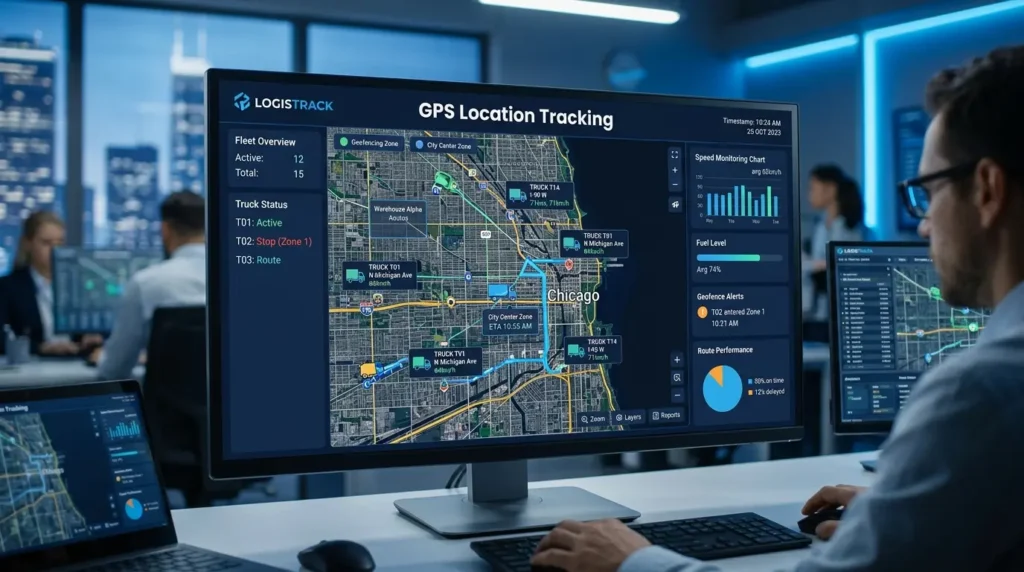
Users can monitor live movement, review travel routes, receive instant alerts, and access trip history from a dashboard or mobile app. Many systems also support geofencing, speed alerts, and route playback for greater visibility.
GPS Accuracy Factors
Several factors affect position accuracy. Clear skies usually produce the best results. Tall buildings, tunnels, dense forests, and severe weather can weaken satellite signals and reduce accuracy.
High-quality GPS receivers, frequent software updates, and strong cellular coverage also improve performance. Many modern tracking systems combine GPS with Wi-Fi and cellular positioning to deliver more consistent results in challenging environments.The National Coordination Office for Space-Based Positioning, Navigation, and Timing explains that GPS accuracy continues to improve through advances in satellite technology, receiver design, and signal processing. These improvements benefit transportation, emergency services, construction, agriculture, and many other industries.
Types of GPS Tracking Devices
GPS tracking devices come in many forms. Each type meets different tracking needs. Choosing the right device depends on what you want to monitor and the features you need.
GPS Tracker for Cars
Car GPS trackers help owners monitor vehicle location, driving routes, and parking history. Many devices also support theft recovery, speed alerts, and maintenance reminders. Businesses often install them to improve fleet visibility and driver safety.
GPS Tracker for Bikes
Bike GPS trackers offer extra security against theft. Many compact models fit inside the frame or under the seat. Riders can track their bicycle's location and receive alerts if someone moves it without permission.
GPS Tracker for Trucks
Truck GPS trackers support long-distance transportation and fleet operations. They provide live vehicle tracking, route optimization, fuel monitoring, and driver performance reports. These features help companies reduce operating costs and improve delivery efficiency.
GPS Tracker for Kids
Parents use child GPS trackers to know their children's location throughout the day. Many wearable devices include geofencing, SOS buttons, and two-way communication for added peace of mind.
GPS Tracker for Seniors
GPS trackers designed for older adults focus on safety and independence. Many devices include emergency alerts, fall detection, and caregiver notifications. These features help families respond quickly during unexpected situations.
GPS Tracker for Pets
Pet GPS trackers attach to a dog's or cat's collar. Owners can monitor their pet's location, set safe zones, and receive alerts if the animal leaves a designated area. This makes it easier to recover lost pets.
GPS Tracker for Assets & Equipment
Businesses protect valuable tools, machinery, trailers, and equipment with GPS asset trackers. These devices improve inventory visibility, reduce theft, and support efficient equipment management across multiple job sites. Industries such as construction, logistics, agriculture, and manufacturing rely on asset tracking to improve security and productivity.
GPS Tracking Apps vs Dedicated GPS Trackers
Both GPS tracking apps and dedicated GPS trackers help monitor location. However, they serve different needs. Your choice depends on what you want to track, how often you need updates, and the level of reliability you expect.
Mobile GPS Tracking Apps
A GPS tracking app turns your smartphone into a tracking device. Most apps work on both Android and iPhone, making them a convenient option for personal use. They display your live location, location history, and route information through an easy-to-use interface.
Many apps also support family location sharing, geofencing, and emergency alerts. Businesses often connect these apps to GPS tracking software to monitor field employees, delivery drivers, and service teams from a single dashboard.Mobile apps work well because people usually carry their phones everywhere. However, battery life, internet connectivity, and phone settings can affect tracking performance.
Hardware GPS Devices
Dedicated GPS trackers are purpose-built devices that deliver consistent and reliable tracking. They often include larger batteries, stronger GPS receivers, and rugged designs for demanding environments.Many businesses install these devices in vehicles, trailers, and heavy equipment. Others attach them to valuable assets or personal belongings. Most hardware trackers connect to a cloud-based GPS tracking platform, allowing users to monitor multiple devices, receive instant alerts, and generate detailed reports.
Since these devices operate independently, they continue tracking even when a smartphone is turned off or unavailable.
Which Option Is Better?
There is no single solution for every situation. A mobile GPS tracking app offers flexibility and lower upfront costs. It works well for family safety, personal travel, and employee location sharing.A dedicated GPS tracker provides higher reliability, longer battery life, and advanced tracking features. It is the better choice for fleet management, vehicle security, asset protection, and business operations that require continuous monitoring.The best solution depends on your goals, budget, and the level of tracking accuracy you need. Many organizations combine smartphone apps with dedicated GPS devices to achieve complete visibility across people, vehicles, and valuable assets.
Key Features of Modern GPS Tracking Systems
Modern GPS tracking systems offer more than simple location updates. They provide powerful tools that improve safety, increase efficiency, and give users better control over vehicles, people, and valuable assets.
Live GPS Tracking
Live GPS tracking shows the current location of a tracked device in real time. Users can monitor movement on an interactive map and respond quickly when plans change. This feature helps families stay connected and allows businesses to manage fleets more effectively.
Geofencing
Geofencing creates a virtual boundary around a selected area. Users receive an alert when a GPS tracker enters or leaves that zone. Businesses use geofencing to monitor job sites and delivery routes. Parents use it to know when their children arrive at school or return home.
Route Playback
Route playback lets users review the exact path a device followed. It displays travel routes on a map and highlights stops, detours, and travel times. This feature helps verify deliveries, improve driver performance, and investigate unexpected events.
Trip History
Trip history stores previous journeys for future review. Users can check travel dates, distances, driving times, and visited locations. Businesses use this data to improve route planning and maintain accurate operational records.
Speed Monitoring
Speed monitoring records how fast a vehicle travels during a trip. The system sends alerts when drivers exceed preset speed limits. This feature promotes safer driving, reduces accident risks, and helps lower vehicle operating costs.
Battery Monitoring
Battery monitoring tracks the power level of a GPS tracking device. Users receive low-battery alerts before the device stops reporting its location. This helps maintain continuous tracking and prevents unexpected interruptions.
Instant Notifications
Modern GPS tracking systems send instant notifications for important events. Users can receive alerts for geofence activity, speeding, unauthorized movement, low battery, or device tampering. Fast notifications help users respond without delay.
Remote Tracking
Remote tracking allows users to monitor GPS devices from anywhere through a secure mobile app or web dashboard. Whether managing a single vehicle or an entire fleet, users can access live location, trip reports, and tracking data at any time. This flexibility makes GPS tracking a valuable solution for personal safety, business operations, and asset management.
Business Applications of GPS Tracking
GPS location tracking helps businesses improve efficiency, reduce costs, and protect valuable resources. Companies across many industries rely on GPS technology to make faster decisions and streamline daily operations.
Fleet Management
Fleet managers use GPS tracking to monitor vehicle locations in real time. They can assign jobs faster, optimize routes, and reduce unnecessary fuel consumption. Live tracking also improves driver safety and vehicle utilization.
Delivery Tracking
Delivery companies use GPS tracking to provide accurate delivery updates. Dispatchers can monitor driver progress and adjust routes when traffic or delays occur. Customers also benefit from estimated arrival times and better communication.
Logistics
Logistics providers depend on GPS tracking to monitor shipments from pickup to delivery. Real-time visibility helps reduce delays, improve coordination, and keep supply chains moving efficiently.
Employee Tracking
Businesses with mobile workforces use GPS tracking to monitor field staff during working hours. Managers can assign nearby employees to new jobs, verify completed visits, and improve response times. This approach increases productivity while reducing travel time.
Asset Tracking
Companies protect expensive equipment, trailers, and tools with GPS asset tracking. Real-time monitoring reduces theft, improves inventory control, and helps recover valuable assets if they go missing.
Construction Equipment
Construction firms use GPS trackers to monitor heavy machinery across multiple job sites. Equipment managers can track usage, prevent unauthorized movement, and schedule maintenance based on operating hours.
Agriculture
Farmers use GPS tracking to monitor tractors, harvesters, and other machinery. GPS technology also supports precision farming by improving field coverage, reducing fuel use, and increasing operational efficiency.
According to the National Coordination Office for Space-Based Positioning, Navigation, and Timing, GPS technology plays a critical role in transportation, logistics, agriculture, construction, and many other industries that depend on accurate positioning and timing.
Personal Uses of GPS Tracking
GPS tracking has become part of everyday life. It helps individuals protect loved ones, valuable belongings, and personal vehicles.
Family Safety
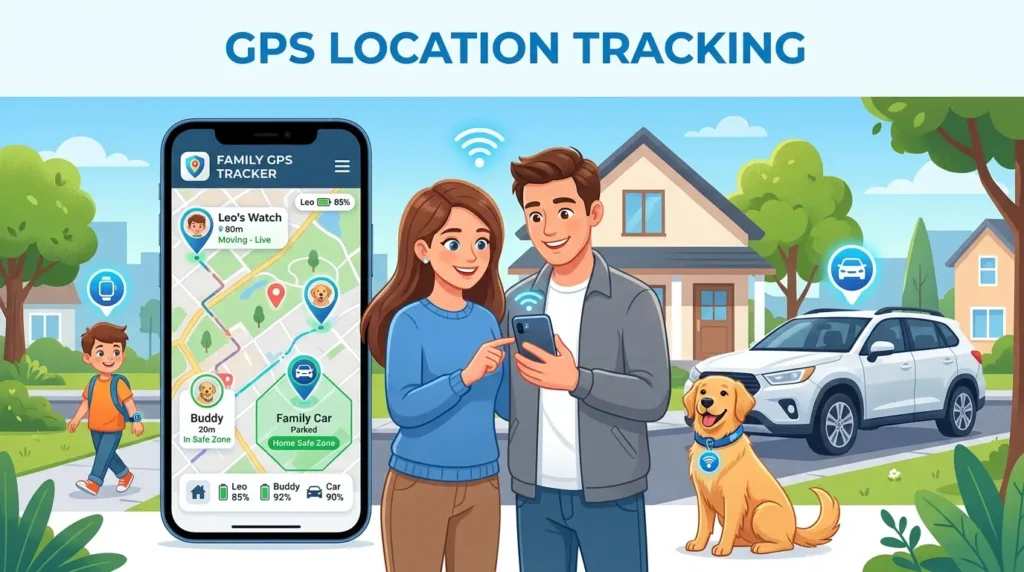
Families use GPS tracking apps to stay connected throughout the day. Parents can check locations during school hours, family trips, or emergencies without making frequent phone calls.
Child Monitoring
Child GPS trackers allow parents to receive location updates and geofence alerts. These features provide extra peace of mind when children travel to school, parks, or other activities.
Elderly Monitoring
GPS devices help caregivers support older adults who live independently. Many trackers include emergency buttons and location sharing, making it easier to respond quickly if help is needed.
Pet Tracking
Pet GPS trackers help owners locate dogs and cats if they wander away. Live location updates increase the chances of finding a lost pet quickly.
Vehicle Theft Recovery
Vehicle GPS trackers improve the chances of recovering stolen cars, motorcycles, and trucks. Many systems send instant alerts when unauthorized movement occurs.
Emergency SOS Tracking
Many modern GPS trackers include an SOS button. Pressing it sends the user's live location to selected contacts or emergency responders. This feature provides an extra layer of protection during unexpected situations.
Benefits of GPS Location Tracking
GPS location tracking delivers measurable benefits for both individuals and businesses.
Improved Safety
Real-time location updates help users respond quickly during emergencies. They also improve driver safety and support faster emergency assistance.
Increased Productivity
Businesses reduce wasted travel time by assigning jobs more efficiently and monitoring work progress in real time.
Better Security
GPS tracking protects vehicles, equipment, and valuable assets. Instant alerts help users detect theft or unauthorized movement quickly.
Cost Savings
Optimized routes reduce fuel consumption and vehicle wear. Businesses also lower maintenance and operational expenses through better fleet management.
Route Optimization
GPS tracking identifies faster routes and avoids unnecessary delays. This improves delivery performance and reduces travel time.
Better Customer Service
Accurate location updates allow businesses to provide reliable delivery estimates and faster response times. Better communication builds customer trust and satisfaction.
Asset Protection
Continuous monitoring helps businesses protect valuable equipment and recover missing assets more quickly. Strong visibility also improves inventory management and operational planning.
GPS Tracking Privacy and Legal Considerations
Using GPS tracking responsibly builds trust and protects personal privacy. Understanding legal requirements helps users avoid misuse.
Is GPS Tracking Legal?
GPS tracking is generally legal when used on vehicles, assets, or devices that you own or have permission to monitor. Laws vary by country and region, especially when tracking another person's location. Always review local regulations before using a GPS tracking system.
Privacy Concerns
Location data can reveal sensitive information about daily routines and personal activities. Choose GPS tracking software that protects user data with secure storage, encrypted communication, and strong access controls.
Responsible Use
Be transparent when tracking employees or family members whenever appropriate. Explain why tracking is necessary and how the data will be used. Limit access to authorized users and keep software updated to protect location information from unauthorized access. Responsible GPS tracking strengthens trust while helping users enjoy the safety and operational benefits of modern tracking technology.
How to Choose the Best GPS Location Tracking Solution
The best GPS location tracking solution depends on your needs. A family tracking app may not offer the same features as a fleet management platform. Before making a decision, compare the features that matter most for your personal or business goals.
Use this checklist to evaluate different GPS tracking systems:
- Accuracy: Choose a GPS tracker that delivers reliable location updates with strong position accuracy in different environments.
- Battery Life: Look for a device that matches your tracking needs. Some trackers last a few days, while others can operate for several months on a single charge.
- Subscription Cost: Compare monthly or annual plans. Make sure the features justify the ongoing cost.
- Live Updates: Select a system that provides real-time GPS tracking with update intervals that fit your use case.
- Mobile App: Ensure the app works smoothly on both Android and iPhone. It should offer an intuitive interface and quick access to tracking data.
- Geofencing: Choose a solution that lets you create custom zones and receive instant alerts when a device enters or leaves them.
- Customer Support: Reliable technical support and regular software updates can save time when problems arise.
- Ease of Installation: Some GPS trackers plug into a vehicle's OBD port, while others require professional installation. Pick the option that suits your experience and budget.
- Cloud Dashboard: Businesses should look for a secure cloud dashboard that provides live monitoring, device management, and multi-user access.
- Reporting Features: Detailed reports on trips, routes, speed, idle time, and location history help users make informed decisions and improve daily operations.
A well-designed GPS tracking solution should combine accurate tracking, dependable performance, and user-friendly software. Choosing the right platform today can improve safety, increase efficiency, and deliver long-term value.
Frequently Asked Questions
What is GPS location tracking?
GPS location tracking uses satellite signals to determine and monitor the location of a person, vehicle, or asset in real time.
How does GPS tracking work?
A GPS device receives signals from multiple satellites to calculate its location. It then sends that data through a cellular or internet connection to a mobile app or web dashboard.
Does GPS tracking require internet?
No. GPS calculates location without internet access. However, most GPS trackers need a cellular or Wi-Fi connection to send location updates to users in real time.
How accurate is GPS tracking?
Most modern GPS trackers provide location accuracy within a few meters under clear skies. Buildings, tunnels, trees, and poor weather may reduce accuracy.
Can I track someone using GPS legally?
It depends on local laws. In many places, you may track your own vehicles or assets. Tracking another person without consent may be illegal. Always follow the laws in your country or region.
What is the best GPS tracker?
The best GPS tracker depends on your needs. Consider location accuracy, battery life, real-time updates, geofencing, reporting tools, and subscription costs before making a decision.
Can GPS trackers work offline?
Yes. Many GPS trackers continue recording location data when they lose network coverage. They upload the stored data once the connection returns.
Is GPS tracking safe?
Yes. Reputable GPS tracking providers protect location data with encryption, secure cloud storage, and user authentication. Choose trusted software and keep your devices updated.
What is geofencing?
Geofencing creates a virtual boundary around a selected location. The system sends an alert when a tracked device enters or leaves that area.
Which GPS tracker is best for businesses?
Businesses should choose a GPS tracking solution with fleet management tools, live tracking, geofencing, cloud reporting, mobile access, and reliable customer support. The right platform depends on fleet size, industry, and operational needs.
Conclusion
GPS location tracking has changed how people and businesses monitor vehicles, assets, and loved ones. From improving family safety to managing large fleets, modern GPS tracking systems provide real-time visibility, better security, and greater operational efficiency. Features such as live tracking, geofencing, route history, and instant alerts help users make informed decisions every day.
The best GPS tracking solution depends on your specific goals. A personal GPS tracker may be ideal for family safety, while a business may need a complete fleet management platform with advanced reporting and analytics. Compare features, evaluate long-term costs, and choose a solution that delivers reliable performance and strong data security.As GPS technology continues to evolve, it will play an even greater role in transportation, logistics, asset management, and personal safety. Investing in the right GPS tracking system today can help you stay connected, protect valuable assets, and operate with greater confidence in the future.