Live Tracker SIM Data: Complete Guide
Mobile devices, GPS trackers, and IoT systems rely on constant connectivity. Without proper monitoring, managing data usage and network performance becomes difficult. Live tracker SIM data helps users track SIM activity, mobile data usage, and connectivity in real time. It provides visibility into how a SIM card connects to cellular networks and supports connected devices. Businesses use SIM monitoring systems to manage fleets, assets, and IoT deployments. Individuals use them to track data consumption and monitor network activity.
Live Tracker SIM Data
Official SIM Verification & Connectivity Guide
This tool helps you verify SIM ownership and find legal ways to track mobile data and network activity in Pakistan.
* This is a guide-style tool for educational and legal verification purposes.
By proceeding, you agree that you will only use the retrieved information for legal purposes. Unauthorized tracking of others is a crime under PECA 2016.
Please enter the Mobile Number or CNIC you wish to verify:
Searching through encrypted network nodes. Please wait 10 seconds…
The requested SIM details are currently protected by privacy laws. However, you can use the following Real & Legal Methods to get this information instantly:
Legal Tracking & Verification Methods:
- PTA 668 Service: Send your CNIC (without dashes) to 668 via SMS to see all SIMs registered on your name.
- Official Apps: Use Jazz World, My Telenor, My Zong, or My Ufone apps to track live data usage and ownership of your own SIM.
- PTA Website: Visit the official PTA SIM Information System to verify records.
- Citizen Portal: For unauthorized SIMs, report via the Pakistan Citizen Portal or visit the nearest franchise with your original CNIC.
- Harassment/Crimes: If you are being harassed, contact FIA Cybercrime at 9911 or visit their official website.
The demand for IoT SIM tracking and connectivity management continues to grow. Industries such as transportation, logistics, healthcare, agriculture, and security depend on reliable cellular connectivity. As more devices connect to mobile networks, organizations need better tools for real-time SIM monitoring and usage analytics. A live SIM tracker helps identify connectivity issues, monitor data consumption, and improve network performance. It also supports asset tracking, fleet management, and connected device monitoring.
What Is Live Tracker SIM Data?
Live tracker SIM data refers to the real-time monitoring of SIM card activity, connectivity, and data usage. It helps users track how a SIM card interacts with a cellular network and connected devices. This technology gives instant visibility into network performance, data consumption, and device status. Organizations use it to manage connected assets, while individuals use it to monitor mobile data and connectivity.
Definition
Live SIM Tracking Explained
Live SIM tracking collects and displays SIM-related information as it happens. The system tracks connectivity, network registration, data usage, and device communication in real time. Unlike traditional reports, live tracking provides immediate updates. Users can quickly identify issues and take action before they affect operations.
Real-Time Data Monitoring
Real-time monitoring shows how a SIM card uses mobile data at any moment. It records usage patterns, connection status, and network activity. This visibility helps organizations control costs and improve operational efficiency. It also helps users understand how their devices consume data.
SIM Activity Tracking
SIM activity tracking monitors events linked to a SIM card. These events include network connections, data sessions, roaming activity, and connectivity changes. Tracking activity helps detect unusual behavior. It also supports better device management and performance monitoring.
How It Works
Live tracker SIM data relies on communication between a SIM card, a connected device, and a cellular network.
SIM Card Communication
A SIM card acts as the identity of a device on a mobile network. It stores subscriber information and enables secure network access. When a device connects, the SIM exchanges information with the network. This process allows the device to send and receive data.
Cellular Networks
Cellular networks provide the infrastructure that carries data between devices and online platforms. Modern networks use technologies such as 4G LTE, 5G, and IoT connectivity. Organizations like the GSMA and the 3GPP help define the standards that support reliable mobile communication.
Data Transmission
Once connected, the device transfers data through the network. The system records important information such as data usage, signal quality, and connection status. The tracking platform collects this information continuously. It then converts raw network data into useful insights.
Tracking Dashboards
Tracking dashboards display information in a simple format. Users can view data usage, active connections, network status, and device activity from a single interface. Many platforms also provide alerts, reports, and performance summaries. These tools help users make faster decisions.
Key Components
Several components work together to create a live tracker SIM data system.
SIM Card
The SIM card connects the device to a cellular network. It provides identification and enables secure communication.
Mobile Network
The mobile network carries data between devices and servers. It supports connectivity, roaming, and data transmission.
Tracking Platform
The tracking platform gathers information from connected devices. It organizes data and presents it through dashboards and reports.
Analytics System
The analytics system transforms raw data into actionable insights. It identifies trends, tracks performance, and highlights potential issues. Together, these components create a complete real-time monitoring solution. They help businesses and individuals maintain reliable connectivity, optimize data usage, and improve operational visibility. In the next section, we will explore the core features that make live tracker SIM data systems valuable for monitoring and managing connected devices.
How Live SIM Tracking Works
Live SIM tracking starts when a SIM card registers with a telecom operator’s network. The SIM receives a unique identity and connects to available network infrastructure. The system then collects data about usage, connectivity, signal strength, and device activity. Cellular networks transmit this information to a tracking platform in real time. The platform processes incoming data and generates live reports.
Built-in usage analytics help users understand consumption patterns and network performance. Alert systems monitor important events and send notifications when usage limits, connectivity issues, or unusual activity occur. This ensures continuous visibility and better SIM management.
Core Features of a Live Tracker SIM Data System
A live tracker SIM data system provides complete visibility into SIM performance and connectivity. It helps users monitor activity, control costs, and maintain reliable network access. Real-time monitoring forms the foundation of the system. It displays current SIM activity, active connections, and network status as events occur. This visibility helps users respond quickly to issues.
Data usage tracking measures how much mobile data a SIM consumes. A cellular data monitor records usage patterns and highlights unusual consumption. This feature helps prevent unexpected charges and supports better data management. SIM status monitoring shows whether a SIM remains active, suspended, roaming, or disconnected. Businesses often use this feature to manage large numbers of devices from a single platform.
Signal strength monitoring measures network quality in different locations. Weak signals can affect performance and increase connection failures. Tracking signal levels helps identify coverage problems early. Connectivity tracking follows device connections across cellular networks. It confirms whether devices remain online and capable of sending data. This feature is especially important for IoT deployments and remote assets.
Network diagnostics help users troubleshoot connectivity issues. The system analyzes network performance, connection history, and service disruptions. These insights support faster problem resolution. Usage reports and dashboards transform raw data into meaningful information. A SIM monitoring system presents key metrics through charts, reports, and visual summaries. Users can review trends and make informed decisions.
Automated alerts provide instant notifications when predefined conditions occur. The system can flag excessive data usage, connectivity loss, roaming events, or unusual activity. These alerts improve response times and reduce operational risks. Together, these features create a powerful network usage tracker and telecom data monitoring solution. They help organizations maintain visibility, improve efficiency, and optimize SIM management.
Types of SIM Tracking Solutions
SIM tracking solutions serve different users and industries. Each solution focuses on specific monitoring and connectivity needs. Personal SIM monitoring helps individuals track mobile data usage, network activity, and connection status. It provides better control over data consumption and helps avoid unexpected charges. Business SIM management supports organizations that manage multiple SIM cards. Teams can monitor usage, control costs, and track connectivity from a central dashboard. This approach improves operational efficiency and simplifies SIM administration.
Enterprise SIM tracking offers advanced monitoring for large-scale deployments. Companies use it to manage thousands of connected devices across different regions and networks. Centralized visibility helps maintain performance and reduce downtime. Fleet tracking SIM data plays a key role in modern fleet management. Vehicles use SIM-enabled GPS trackers to transmit location and operational data. Real-time monitoring improves route planning, vehicle utilization, and asset tracking.
IoT SIM management focuses on connected devices that operate through cellular networks. Businesses use dedicated platforms to monitor device connectivity, data usage, and network performance. An IoT platform helps manage large deployments from a single interface. M2M SIM monitoring supports machine-to-machine communication. Devices exchange information automatically without human involvement. Industries use M2M technology for remote monitoring, automation, and smart operations. Together, these SIM tracking solutions help users maintain reliable connectivity, improve visibility, and manage connected assets more effectively.
Mobile Data Usage Tracking Explained
Mobile data usage tracking helps users understand how devices consume data across cellular networks. It provides clear insights into usage patterns, connectivity performance, and overall network efficiency. This visibility supports better decision-making and cost control.
Data Consumption Tracking
Data consumption tracking measures the amount of data a SIM card uses over time. The system records downloads, uploads, and background activity. Users can identify which devices consume the most data and detect unusual usage patterns before they become costly.
Data Balance Monitoring
Data balance monitoring shows the remaining data available in a plan. Real-time updates help users avoid exceeding data limits. Businesses often rely on this feature to manage large SIM deployments and maintain uninterrupted connectivity.
Bandwidth Usage Analysis
Bandwidth usage analysis examines how devices use network resources. It helps identify peak usage periods, network bottlenecks, and inefficient data consumption. These insights support better planning and improved network performance.
Data Usage Alerts
Data usage alerts notify users when predefined thresholds are reached. Alerts can trigger when a device approaches its data limit, exceeds normal usage, or experiences unexpected activity. Early notifications help prevent service disruptions and unnecessary expenses.
Monthly Usage Reports
Monthly reports provide a detailed overview of data consumption and connectivity trends. A data dashboard presents important data metrics through charts and summaries. Users can compare performance across devices, locations, and reporting periods.
Cost Optimization
Usage monitoring plays a major role in cost optimization. Organizations can identify underused SIM cards, eliminate waste, and select better data plans based on actual consumption. Better visibility leads to smarter resource allocation and lower operating costs.
Together, these features transform raw network information into actionable insights. Mobile data tracking helps businesses and individuals improve efficiency, control spending, and maintain reliable connectivity across connected devices.
GPS Tracker SIM Data Integration
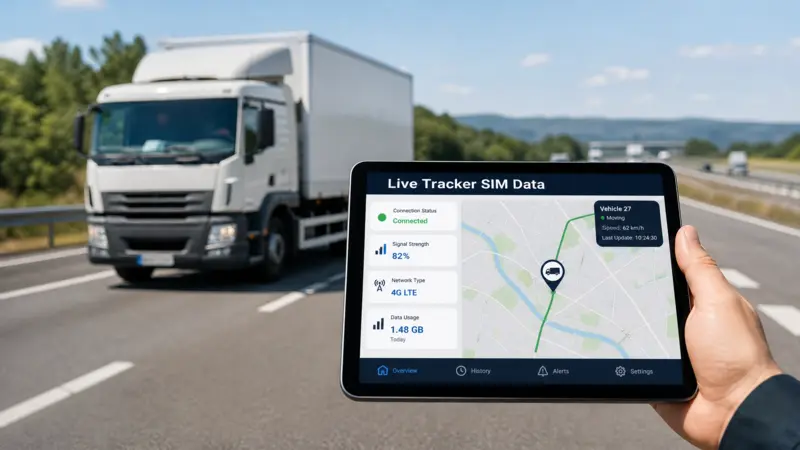
GPS tracking becomes more powerful when combined with live SIM data. A GPS tracker uses a SIM card to transmit location information through a cellular network. This connection enables real-time communication between the tracking device and the monitoring platform.
GPS Trackers and SIM Cards
A GPS tracker determines a device’s location using satellite signals. The SIM card then sends GPS coordinates to a cloud-based platform through a mobile network. Without a SIM card, most GPS trackers cannot provide live location updates.
Vehicle Tracking
Businesses use GPS tracker SIM data to monitor vehicles in real time. Fleet managers can view vehicle locations, track movement, and improve operational efficiency. Live tracking also helps reduce unauthorized vehicle use and improve driver accountability.
Asset Tracking
Organizations track valuable assets using SIM-enabled GPS devices. These assets may include containers, equipment, trailers, or machinery. Real-time visibility helps reduce losses and improves asset utilization.
Route Tracking
Route tracking records the path a vehicle or asset follows during a trip. Businesses can review travel history, identify delays, and optimize routes. Better route planning often reduces fuel costs and improves service delivery.
Geofencing
Geofencing creates virtual boundaries around specific locations. The system sends alerts when a tracked device enters or leaves a designated area. This feature improves security and supports better operational control.
Location Intelligence
Location data becomes more valuable when combined with analytics. Location intelligence helps organizations identify patterns, optimize operations, and make data-driven decisions. It transforms raw location information into actionable business insights.
Real-Time Location Monitoring
Real-time location monitoring provides continuous updates about device movement and position. Users can access tracking dashboards from anywhere and view current locations instantly. This capability improves visibility, security, and response times. Together, GPS tracking and live SIM data create a reliable navigation system for monitoring vehicles, assets, and connected devices across wide geographic areas.
IoT SIM Tracking and Connectivity Management
IoT SIM tracking helps organizations monitor connected devices across cellular networks. It provides visibility into connectivity, data usage, and device performance from a centralized platform.
What Is an IoT SIM?
An IoT SIM is a specialized SIM card designed for connected devices. It supports reliable communication between devices and cloud platforms. Businesses use IoT SIMs in sensors, trackers, smart meters, and industrial equipment.
M2M SIM Technology
M2M SIM technology enables machine-to-machine communication. Devices exchange data automatically without human interaction. This technology supports automation, remote monitoring, and real-time reporting.
Connected Devices
Modern organizations rely on thousands of connected devices. These devices continuously send and receive data. Effective device management ensures stable connectivity and operational efficiency.
Industrial IoT Applications
Industrial IoT solutions connect machines, sensors, and equipment across manufacturing, logistics, and energy sectors. Real-time monitoring helps improve productivity, reduce downtime, and optimize operations.
Smart Device Connectivity
Smart devices require reliable network access to function properly. IoT SIM tracking helps maintain connectivity and quickly identifies communication issues before they affect performance.
Remote Asset Monitoring
Businesses use IoT SIMs to monitor assets in remote locations. Live tracking provides visibility into equipment status, location, and connectivity without requiring on-site inspections.
Global IoT Connectivity
Many organizations operate across multiple countries. IoT SIM and M2M SIM solutions support global connectivity through multiple network partnerships. This approach ensures consistent communication and reliable data transmission worldwide.
Technologies Behind Live Tracker SIM Data
Several technologies work together to power live tracker SIM data systems. These technologies enable real-time communication, monitoring, and analytics across connected devices.
GSM Networks
The GSM network forms the foundation of modern mobile communication. It allows SIM cards to connect with cellular infrastructure and exchange data securely. Many tracking solutions still rely on GSM technology for reliable coverage.
4G LTE Networks
4G LTE delivers faster data speeds and lower latency than older networks. It supports real-time tracking, live monitoring, and seamless data transmission. Most modern GPS trackers and IoT devices use 4G LTE connectivity.
5G Connectivity
The 5G network brings higher speeds, greater capacity, and faster response times. It supports large numbers of connected devices and improves the performance of advanced IoT applications.
eSIM Technology
An eSIM removes the need for a physical SIM card. Users can activate network profiles remotely and switch operators more easily. This flexibility simplifies connectivity management for global deployments.
Cloud-Based Analytics
A cloud platform collects and stores data from connected devices. It processes information in real time and provides access through web-based dashboards. Cloud systems also improve scalability and remote access.
Telemetry Systems
Telemetry systems gather operational data from devices and transmit it automatically. They support remote monitoring, performance tracking, and status reporting.
Data Analytics Platforms
Data analytics platforms transform raw network information into meaningful insights. They help users identify trends, optimize connectivity, and improve decision-making across SIM tracking operations.
Benefits of Live SIM Data Monitoring
Live SIM data monitoring helps businesses and individuals manage connectivity more effectively. It provides real-time insights that support better decisions and stronger network performance.
Cost Savings
Users can track data consumption and eliminate unnecessary expenses. Better visibility helps prevent overage charges and wasted resources.
Better Visibility
Real-time monitoring shows device activity, connectivity status, and usage patterns from a single dashboard.
Improved Connectivity
Continuous tracking helps maintain stable network connections. Users can identify weak coverage areas and connectivity issues quickly.
Faster Issue Detection
The system detects unusual activity, network failures, and service interruptions as they occur. Early detection reduces downtime and operational disruptions.
Network Optimization
Usage insights help organizations improve network performance and allocate resources more efficiently.
Enhanced Security
Monitoring tools can identify suspicious activity and unexpected connectivity changes. This helps protect devices and data.
Operational Efficiency
Automated reporting, alerts, and centralized management reduce manual work. Teams can focus on improving performance instead of troubleshooting routine issues.
Together, these benefits make live SIM monitoring an essential tool for modern connectivity management.
Common Challenges in SIM Data Tracking
SIM data tracking offers valuable insights, but several challenges can affect performance and accuracy.
Signal Coverage Issues
Weak network coverage can interrupt data transmission. Devices in remote areas often experience unstable connections and delayed updates.
Roaming Challenges
International roaming may increase costs and create connectivity issues. Different network agreements can also affect service quality and tracking accuracy.
Data Delays
Network congestion or poor signal conditions can slow data transmission. Delayed updates reduce real-time visibility and affect monitoring effectiveness.
Device Compatibility
Not all devices support the same network technologies. Compatibility issues can limit connectivity and reduce system performance.
Security Concerns
Connected devices exchange large amounts of data. Weak security controls can expose systems to unauthorized access, data breaches, and cyber threats.
Network Limitations
Cellular networks have coverage, capacity, and infrastructure limitations. Heavy network traffic can impact performance and reliability.
Organizations can overcome these challenges through proper planning, reliable hardware, strong security practices, and continuous network monitoring.
Security and Privacy Considerations
Security and privacy play a critical role in live SIM data monitoring. Organizations must protect data while maintaining reliable connectivity.
Data Protection
Strong encryption helps protect data during transmission and storage. Regular backups reduce the risk of data loss.
User Privacy
Organizations should collect only necessary information. Clear privacy policies help users understand how data is used.
Secure Connectivity
Secure network protocols help prevent unauthorized access and data interception.
Access Controls
Role-based access controls limit who can view or modify sensitive information. Multi-factor authentication adds another layer of protection.
Compliance Standards
Businesses should follow relevant telecom, privacy, and data protection regulations in their operating regions.
Best Practices
Regular security audits, software updates, and employee training strengthen overall protection.
Best Practices for SIM Monitoring
Effective SIM monitoring requires a proactive approach. Following proven practices helps improve visibility, control costs, and maintain reliable connectivity.
Monitor Usage Daily
Review data usage regularly to identify unusual activity and prevent unexpected charges.
Configure Alerts
Set alerts for data thresholds, connectivity loss, roaming activity, and abnormal usage. Early notifications enable faster responses.
Analyze Usage Trends
Track long-term usage patterns to understand device behavior and predict future data requirements.
Optimize Data Plans
Compare actual consumption against current plans. Adjust data packages to reduce waste and improve cost efficiency.
Manage Multiple SIMs
Use a centralized dashboard to monitor all SIM cards from one location. This approach simplifies administration and improves oversight.
Improve Network Performance
Monitor signal quality, connection stability, and network availability. Address weak coverage areas and recurring connectivity issues quickly.
Organizations that follow these best practices gain better control over their SIM deployments. Consistent monitoring improves performance, reduces operational risks, and supports more efficient connectivity management.
Live Tracker SIM Data Use Cases
Live tracker SIM data supports many industries that depend on reliable connectivity and real-time visibility. It helps organizations monitor devices, improve operations, and make faster decisions.
Transportation & Logistics
Logistics companies use SIM tracking to monitor shipments, vehicles, and delivery operations. Real-time updates improve efficiency and reduce delays.
Fleet Management
Fleet operators track vehicle locations, driver activity, and connectivity status. This visibility helps optimize routes and improve resource utilization.
Asset Tracking
Businesses monitor valuable equipment, containers, and mobile assets through SIM-enabled tracking devices. Real-time tracking reduces losses and improves asset control.
Telecom Industry
Telecom providers use SIM monitoring to manage connectivity, analyze usage patterns, and improve customer service.
Smart Cities
Connected infrastructure relies on SIM data to support traffic systems, public services, and environmental monitoring.
Healthcare Devices
Medical devices use cellular connectivity to transmit patient data and operational information. Reliable monitoring supports continuous healthcare services.
Agriculture IoT
Farmers use connected sensors to monitor crops, soil conditions, and irrigation systems. Real-time data helps improve productivity and resource management.
Security Systems
Security companies deploy SIM-enabled cameras, alarms, and monitoring devices. Live connectivity ensures faster incident detection and response.
These use cases highlight the growing importance of live SIM tracking across modern industries and connected environments.
Future of Live Tracker SIM Data
The future of live tracker SIM data will focus on greater intelligence, automation, and connectivity. Emerging technologies will help organizations manage devices more efficiently and gain deeper operational insights.
AI-Powered Analytics
Artificial intelligence will analyze large volumes of SIM and network data in seconds. AI can identify patterns, detect anomalies, and provide recommendations that improve decision-making.
Predictive Monitoring
Future monitoring systems will predict issues before they occur. Organizations will receive warnings about potential connectivity failures, excessive data usage, or device performance problems.
5G Expansion
The continued growth of 5G networks will deliver faster speeds, lower latency, and greater capacity. These improvements will support more connected devices and real-time applications.
eSIM Growth
eSIM technology will simplify connectivity management. Businesses will activate, update, and manage network profiles remotely without replacing physical SIM cards.
Advanced IoT Connectivity
As IoT adoption increases, organizations will connect more devices across industries. Improved connectivity solutions will support larger and more complex deployments.
Automation & Smart Networks
Automation will reduce manual tasks and improve operational efficiency. Smart networks will automatically optimize connectivity, allocate resources, and respond to changing network conditions.
Together, these innovations will make SIM tracking more intelligent, scalable, and valuable for businesses operating in an increasingly connected world.
Frequently Asked Questions
What is live tracker SIM data?
Live tracker SIM data refers to the real-time monitoring of SIM card activity, connectivity, and data usage across cellular networks.
How does a SIM tracker work?
A SIM tracker collects network and device information, then displays it through a monitoring platform or dashboard.
Can I monitor SIM data usage in real time?
Yes. Modern SIM monitoring systems provide live updates on data consumption, connectivity status, and device activity.
What is the difference between GPS tracking and SIM tracking?
GPS tracking determines location. SIM tracking monitors connectivity, data usage, and network activity. Many solutions combine both technologies.
How do IoT SIM cards work?
IoT SIM cards connect devices to cellular networks and enable data exchange between devices and cloud platforms.
What is M2M SIM management?
M2M SIM management involves monitoring and controlling SIM cards used in machine-to-machine communication systems.
How can businesses monitor multiple SIM cards?
Businesses use centralized dashboards that provide visibility into usage, connectivity, alerts, and performance across all SIMs.
Is SIM tracking secure?
Yes. Most platforms use encryption, access controls, and security protocols to protect data and connectivity.
What metrics should I monitor?
Track data usage, signal strength, connectivity status, roaming activity, device uptime, and network performance.
Which industries use SIM tracking the most?
Transportation, logistics, telecom, healthcare, agriculture, security, and IoT-driven industries rely heavily on SIM tracking solutions.
Final Thoughts
Live tracker SIM data has become an essential part of modern connectivity management. It provides real-time visibility into data usage, network performance, and device activity. Organizations can use these insights to improve efficiency, reduce costs, and maintain reliable operations. The biggest takeaway is simple. You cannot manage what you cannot see. Real-time SIM monitoring helps identify issues early and supports faster decision-making. It also improves control over connected devices, assets, and mobile networks.
Future trends will continue to shape this industry. Artificial intelligence, predictive analytics, 5G networks, eSIM technology, and advanced IoT connectivity will make SIM tracking smarter and more automated. Businesses that adopt these technologies early will gain a competitive advantage. Proactive SIM monitoring is no longer optional for large deployments. Continuous monitoring helps prevent downtime, optimize data usage, strengthen security, and improve overall network performance.
When choosing a SIM tracking solution, focus on real-time monitoring, analytics capabilities, reporting tools, alert systems, scalability, and security features. The right platform should match your operational needs and support future growth. As connected devices continue to grow worldwide, effective SIM tracking will remain a critical tool for maintaining visibility, performance, and long-term connectivity success.