
Live Tracker SIM Database
The phrase live tracker SIM database has become a common search term among people looking to understand mobile number information, SIM registration, and telecom databases. While the term appears frequently online, it can refer to different concepts depending on the context. Some users simply want to learn how SIM registration systems work, while others are searching for ways to verify their own mobile information through legitimate channels.
Official SIM Verification Path Finder
Select your network to find the legitimate verification method
Jazz Verification Method
To check the owner name and CNIC of your Jazz SIM, send an empty SMS to 667. You will receive a reply with the registered name and CNIC details from the official Jazz Live Tracker SIM Database.
Zong Verification Method
Dial *310# and follow the menu instructions for account details, or send “V” to 7911 to verify your Zong registration status officially.
Telenor Verification Method
Send your CNIC number (without dashes) to 7717. Telenor will provide you with the count of SIMs registered against your identity in their secure database.
Ufone Verification Method
Simply dial *336# from your Ufone SIM. Select the relevant option to view your registration details and verify your account status instantly.
PTA (All Networks)
To see all SIM cards registered against your CNIC across all networks, visit the official PTA Website or send your CNIC (no dashes) to 668. This is the most trusted way to access the national SIM database.
A SIM database is not a public directory that provides unrestricted access to personal information. Instead, it refers to the secure systems used by mobile network operators to manage subscriber records, authenticate SIM cards, and maintain accurate registration information. These databases play an essential role in delivering mobile services, preventing fraud, and ensuring compliance with telecommunications regulations.

Understanding how these systems operate helps users distinguish between official telecom processes and misleading claims often found on the internet. Knowing the facts can also help protect your privacy and encourage responsible use of mobile services.
In this guide, you’ll learn what a live tracker SIM database means, how SIM databases work behind the scenes, why people search for them, and why privacy and security remain central to modern telecommunications.
What Is a Live Tracker SIM Database?
A live tracker SIM database generally refers to a system that stores and manages information related to mobile subscriber identity modules (SIM cards). In practice, legitimate telecom databases are designed to support network operations rather than provide public access to personal information.
Every SIM card contains unique identifiers that allow a mobile network operator to recognize a subscriber and connect them to voice, messaging, and data services. When a customer activates a SIM card, the telecom provider records registration details within a secure subscriber database. This information helps verify customer accounts, authenticate devices, and manage network services efficiently.
People often search for the term live tracker because they want quick access to information about a mobile number, network operator, or SIM registration status. However, the phrase itself does not represent a standardized technical system. Instead, it has become a broad keyword used across websites that discuss SIM information, telecom databases, and mobile verification.
A legitimate telecom database typically contains records such as:
- Subscriber identification
- SIM registration status
- Network authentication information
- Mobile service activation records
- Account management data
These records are maintained under strict security measures and are generally accessible only to authorized telecom personnel and the registered subscriber through official verification channels.
Understanding this distinction is important because many websites use attractive marketing language that may create unrealistic expectations about what information is publicly available. Responsible telecom providers prioritize user privacy and data protection over unrestricted access.
How Does a SIM Database Work?
A SIM database functions as part of a much larger telecommunications infrastructure that allows mobile networks to identify subscribers, authorize services, and maintain secure communication between devices and network operators.
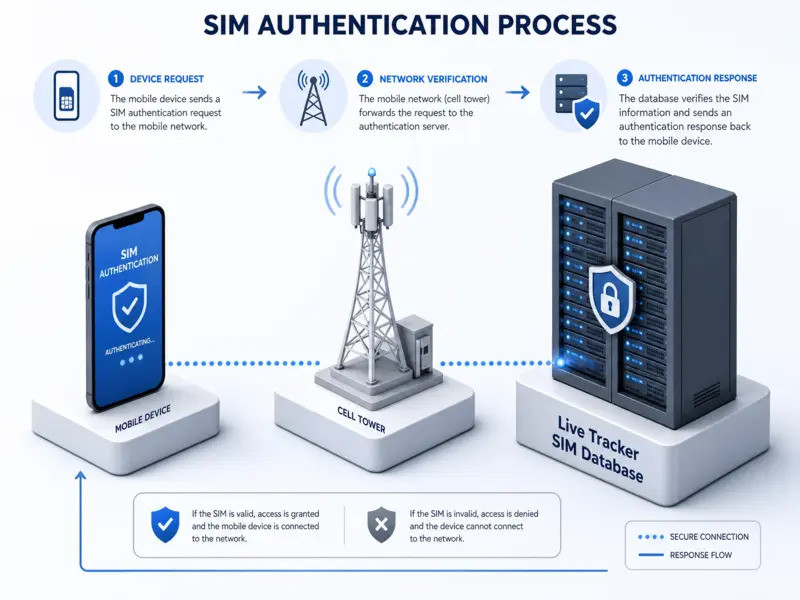
When a new SIM card is activated, the mobile network operator creates a subscriber profile within its registration database. This profile links the SIM card to the customer’s account and enables various mobile services, including voice calls, text messaging, and internet connectivity.
Several key processes take place during normal network operation:
SIM Registration
During activation, subscriber information is securely recorded according to applicable telecommunications regulations. This process helps ensure that the network can identify legitimate users and manage mobile services accurately.
Network Authentication
Each time a mobile device connects to the network, authentication systems verify that the SIM card is valid. This process protects both the subscriber and the network from unauthorized access while maintaining service reliability.
Subscriber Information Management
Telecom providers continuously maintain subscriber records to support account updates, service modifications, billing systems, and customer support. These databases are designed to keep information accurate while protecting sensitive personal data.
Verification Systems
Modern telecom services rely on multiple verification processes to confirm subscriber identity, reduce fraudulent activity, and maintain network integrity. These systems help ensure that mobile connections remain secure throughout their lifecycle.
Because mobile networks serve millions of customers, SIM databases are highly structured and managed using advanced database management systems. Security technologies such as authentication controls, encryption, and access restrictions help protect subscriber information from unauthorized use.
Although users frequently search for terms like SIM lookup, number lookup, or mobile subscriber database, official telecom systems are designed primarily for secure network management rather than public information searches. Their primary purpose is to deliver reliable mobile communication while safeguarding customer privacy and maintaining the integrity of telecommunications services.
Why Do People Search for a Live Tracker SIM Database?
There are several reasons why users search for the term live tracker SIM database, and most of them relate to understanding mobile services rather than accessing private information. Recognizing these search intentions helps separate legitimate needs from common misconceptions.
One of the most common reasons is to verify personal SIM registration. Many people want to confirm that the mobile numbers registered in their name are accurate and active. Telecom providers and government-authorized services in some countries offer official methods for customers to review their own registered connections.
Another reason is identifying a mobile network operator. Users may want to know which telecom provider a phone number belongs to, especially when changing networks, contacting customer support, or managing business communications.
Some users are also interested in learning how SIM databases, subscriber databases, and telecom databases function behind the scenes. They want to understand how mobile networks authenticate devices, manage subscriber records, and deliver secure voice and data services.
The popularity of search terms such as SIM lookup, number lookup, phone number details, and mobile verification reflects this growing curiosity. However, it’s important to understand that legitimate telecom systems are designed to protect subscriber information, not to provide unrestricted public access to customer records.
When searching for information related to a live SIM database, always consider whether the source explains telecom processes accurately and respects user privacy.
Can You Really Track a SIM Database in Real Time?
The phrase “live tracker” often creates the impression that anyone can monitor SIM information or view subscriber records instantly. In reality, legitimate telecommunications systems do not operate this way.
Mobile networks continuously exchange technical information to keep devices connected. This includes authentication, routing, service availability, and network management. While these operations occur in real time within the telecom infrastructure, they are not publicly accessible.
Claims that promise unrestricted access to a live tracker SIM database, personal subscriber details, or real-time mobile tracking should be approached with caution. Responsible telecom providers implement multiple layers of security to protect customer information, including:
- Authentication controls
- Access management systems
- Encryption technologies
- Secure network infrastructure
- Privacy compliance procedures
These safeguards help ensure that subscriber records remain confidential and are accessed only by authorized personnel for legitimate operational purposes.
It is also important to distinguish between network management and user tracking. Mobile operators monitor network performance to maintain reliable service, troubleshoot technical issues, and improve coverage. This operational monitoring should not be confused with publicly available tracking of individual subscribers.
Understanding this difference helps users evaluate online claims more critically and reduces the risk of relying on inaccurate or misleading information.
Official Ways to Verify SIM Information
If you need to verify information related to your own mobile connection, the safest approach is to use official services provided by your mobile network operator or the relevant telecommunications authority in your country.
Most telecom providers offer secure verification methods through customer portals, mobile applications, customer service centers, or authorized support channels. These services are designed to help subscribers manage their own accounts while protecting personal information.
Depending on your country and telecom provider, official verification services may allow you to:
- Review the mobile numbers registered under your account.
- Confirm your SIM registration status.
- Update account information when required.
- Report unauthorized or inactive SIM cards.
- Contact customer support for account assistance.
In Pakistan, for example, mobile subscribers can obtain guidance through their network operators—including Jazz, Zong, Ufone, and Telenor Pakistan—as well as the Pakistan Telecommunication Authority (PTA), which oversees telecommunications regulations and promotes responsible SIM registration practices.
Using official verification channels offers several advantages:
- Better protection of personal information.
- Accurate and up-to-date subscriber records.
- Compliance with telecommunications regulations.
- Reduced risk of fraud and identity misuse.
- Access to authorized customer support.
Before entering personal information on any website, verify that it belongs to a recognized telecom provider or government-authorized service. Legitimate organizations clearly explain how customer data is collected, protected, and used.
Choosing trusted verification methods not only improves account security but also helps maintain confidence in modern telecommunications systems while respecting user privacy.
Privacy, Security, and Legal Considerations
Privacy and security are fundamental to the way modern telecommunications operate. Every SIM card is linked to subscriber records that help mobile network operators provide reliable services, authenticate users, and manage customer accounts. Because these records may contain personal information, they are protected by strict security measures and applicable data protection laws.
Telecom providers use technologies such as authentication, encryption, secure access controls, and continuous monitoring to safeguard subscriber information. These measures help prevent unauthorized access, reduce fraud, and maintain the integrity of mobile networks.
When looking for information related to a live tracker SIM database, it is important to rely on official sources rather than websites that claim to provide unrestricted access to personal records. Legitimate organizations protect customer privacy and clearly explain how personal information is collected, stored, and used.
You can also improve your own mobile security by following a few best practices:
- Keep your SIM registration details up to date.
- Protect your online accounts with strong passwords and multi-factor authentication where available.
- Avoid sharing personal information on unverified websites.
- Regularly review your mobile account for unexpected activity.
- Contact your mobile network operator if you suspect unauthorized use of your SIM.
Understanding these privacy principles helps users make informed decisions while using mobile services responsibly.
Common Myths About Live Tracker SIM Databases
The popularity of the term live tracker SIM database has led to several misconceptions. Understanding the facts helps users avoid misinformation and make safer choices online.
Myth: Every SIM can be tracked online in real time.
Fact: Mobile networks exchange technical information continuously, but subscriber data is protected by telecom providers. Public websites cannot legitimately offer unrestricted real-time access to personal SIM information.
Myth: Free SIM databases always provide accurate owner information.
Fact: Official subscriber records are maintained by authorized telecom operators. Claims of freely accessible personal databases should be treated with caution because they may be inaccurate, outdated, or misleading.
Myth: Every website offering SIM lookup services is trustworthy.
Fact: Not all websites provide reliable information. Before using any online service, verify that it belongs to an official telecom provider or another authorized organization.
Myth: SIM databases exist only for tracking people.
Fact: The primary purpose of a SIM database is to support network authentication, subscriber management, billing, service activation, and secure telecommunications—not public tracking of individuals.
Understanding these distinctions allows users to recognize the legitimate role of subscriber databases while respecting privacy and data security.
Frequently Asked Questions
What is a live tracker SIM database?
A live tracker SIM database is a search term commonly used to describe systems related to SIM registration, subscriber information, and telecom databases. Legitimate telecom databases are designed to manage mobile services securely rather than provide public access to personal records.
How does a SIM database work?
A SIM database stores subscriber information that enables mobile network operators to authenticate SIM cards, activate services, manage customer accounts, and maintain secure communication across the network.
Is it possible to track a SIM in real time?
Mobile operators monitor their networks in real time for operational purposes, but subscriber information is protected by privacy safeguards. Unauthorized real-time tracking of personal SIM data is not a feature of legitimate public telecom services.
Can I verify my SIM information online?
In many countries, mobile network operators and telecommunications authorities provide official methods for customers to verify their own SIM registration and account information through secure channels.
How can I protect my mobile information?
Use only official telecom services, keep your account details updated, enable available security features, avoid sharing sensitive information with unverified websites, and contact your provider if you notice suspicious activity.
Are online SIM databases reliable?
Reliability depends on the source. Official telecom providers and government-authorized services are the most trustworthy sources for information about your own mobile account and SIM registration.
Conclusion
The term live tracker SIM database is widely searched, but it is often misunderstood. In practice, legitimate SIM databases are secure systems used by mobile network operators to manage subscriber information, authenticate devices, and deliver reliable telecommunications services. They are not public directories for unrestricted access to personal records.
Understanding how SIM registration, subscriber databases, and verification systems work helps users make informed decisions while protecting their privacy. Instead of relying on misleading online claims, it is always best to use official verification methods provided by your telecom operator or the relevant telecommunications authority.
As mobile technology continues to evolve, privacy, security, and responsible data management remain essential. By learning how telecom systems function and following trusted verification practices, users can confidently manage their mobile services while keeping their personal information protected.